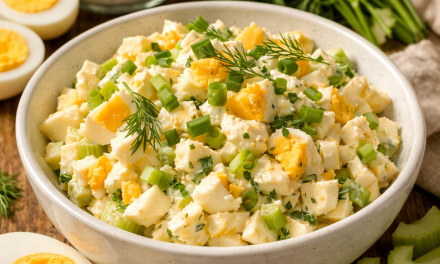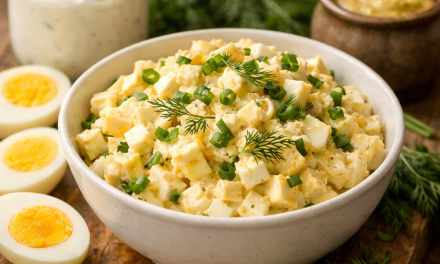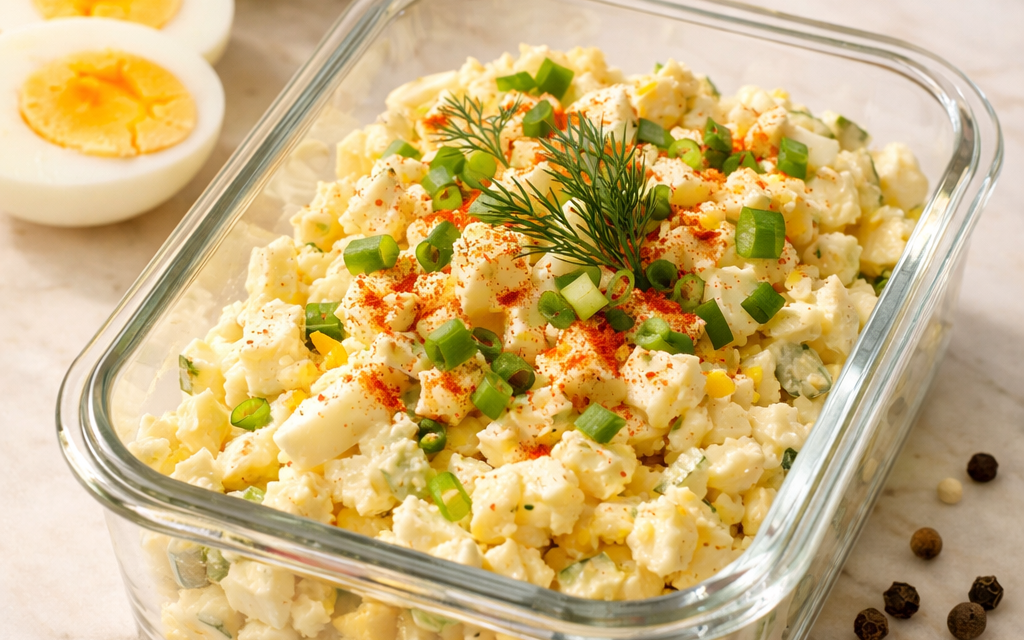
Ever opened your lunch container mid-week only to find a watery, sad puddle where your egg salad used to be? 😩 That soggy disaster is the #1 reason people give up on meal prepping egg salad — but it doesn’t have to be that way. Meal Prep Magic: A High Protein Egg Salad That Doesn’t Get Soggy is the solution busy, health-conscious people have been searching for. With the right techniques, smart ingredient swaps, and a few storage tricks, egg salad can stay fresh, creamy, and delicious for up to five days in the fridge.
Key Takeaways
- 🥚 Protein powerhouse: This recipe delivers 20+ grams of protein per serving, making it ideal for fitness and weight-management goals.
- 🧊 No more sogginess: Specific ingredient choices and layering strategies keep the texture perfect all week long.
- 🫙 Meal prep ready: Proper storage in airtight glass containers extends freshness to 4–5 days.
- 🔄 Easy swaps: Greek yogurt replaces mayo for a lighter, protein-rich dressing that holds up better over time.
- ⏱️ Quick to make: The entire recipe takes under 20 minutes and scales easily for the whole week.
Why Egg Salad Is the Ultimate Meal Prep Win (When Done Right)
Egg salad gets a bad reputation, and honestly, it’s earned — but only when made the wrong way. Traditional recipes drown eggs in mayonnaise, which separates and releases water over time. The result? A soggy, unappetizing mess by day two.
But here’s the thing: eggs are one of the most nutrient-dense, affordable, and versatile proteins available. According to the American Egg Board, one large egg contains about 6 grams of high-quality protein, all nine essential amino acids, and key nutrients like choline and vitamin D. Scale that up to a four-egg serving, and the numbers get impressive fast.
💬 “Eggs provide one of the highest-quality proteins of any food available, making them an ideal anchor for high-protein meal prep.”
— Nutrition research consensus, supported by multiple dietitian sources
The Soggy Problem — Solved
The sogginess comes from moisture migration. Watery vegetables (like cucumbers or tomatoes), excess mayo, and improper storage all contribute. The fix involves three strategies:
- Swap mayo for Greek yogurt (or use a 50/50 blend) — Greek yogurt is thicker, higher in protein, and doesn’t separate as quickly.
- Salt vegetables separately and let them drain before mixing.
- Store dressing and salad components separately if prepping more than three days ahead.
Nutrition at a Glance 📊
| Nutrient | Per Serving (4 eggs + Greek yogurt base) |
|---|---|
| Calories | ~280 kcal |
| Protein | 22–25 g |
| Fat | 14 g |
| Carbohydrates | 4 g |
| Fiber | 0.5 g |
Values are approximate and vary based on specific ingredients used.
Meal Prep Magic: A High Protein Egg Salad That Doesn’t Get Soggy — The Full Recipe
This is where the magic happens. Every ingredient is chosen with both flavor and longevity in mind. No watery disasters. No weird textures on day four. Just consistently great egg salad, ready when needed.
Ingredients (Serves 4)
The Protein Base:
- 8 large eggs, hard-boiled and peeled
- ½ cup plain Greek yogurt (full-fat or 2%)
- 1 tablespoon Dijon mustard
- 1 teaspoon apple cider vinegar
The Crunch (Moisture-Controlled):
- 2 stalks celery, finely diced
- 2 tablespoons red onion, finely minced
- 1 tablespoon fresh dill (or 1 tsp dried)
The Seasoning:
- ½ teaspoon garlic powder
- ½ teaspoon smoked paprika
- Salt and black pepper to taste
- Optional: pinch of cayenne for heat 🌶️
Step-by-Step Instructions
Step 1: Perfect the Hard-Boiled Eggs
Place eggs in a single layer in a saucepan. Cover with cold water by one inch. Bring to a boil, then immediately reduce heat to low and simmer for 11 minutes. Transfer to an ice bath for 10 minutes. This method produces fully set yolks with no grey ring — the mark of a properly cooked egg.
Step 2: Control the Moisture
Dice the celery and red onion. Toss with a pinch of salt and let sit in a colander for 5 minutes. Pat dry with a paper towel. This one step eliminates the #1 cause of soggy egg salad. 🙌
Step 3: Make the Dressing
Whisk together Greek yogurt, Dijon mustard, apple cider vinegar, garlic powder, smoked paprika, salt, and pepper in a medium bowl. Taste and adjust seasoning. The dressing should be bold — it mellows as it sits.
Step 4: Chop and Combine
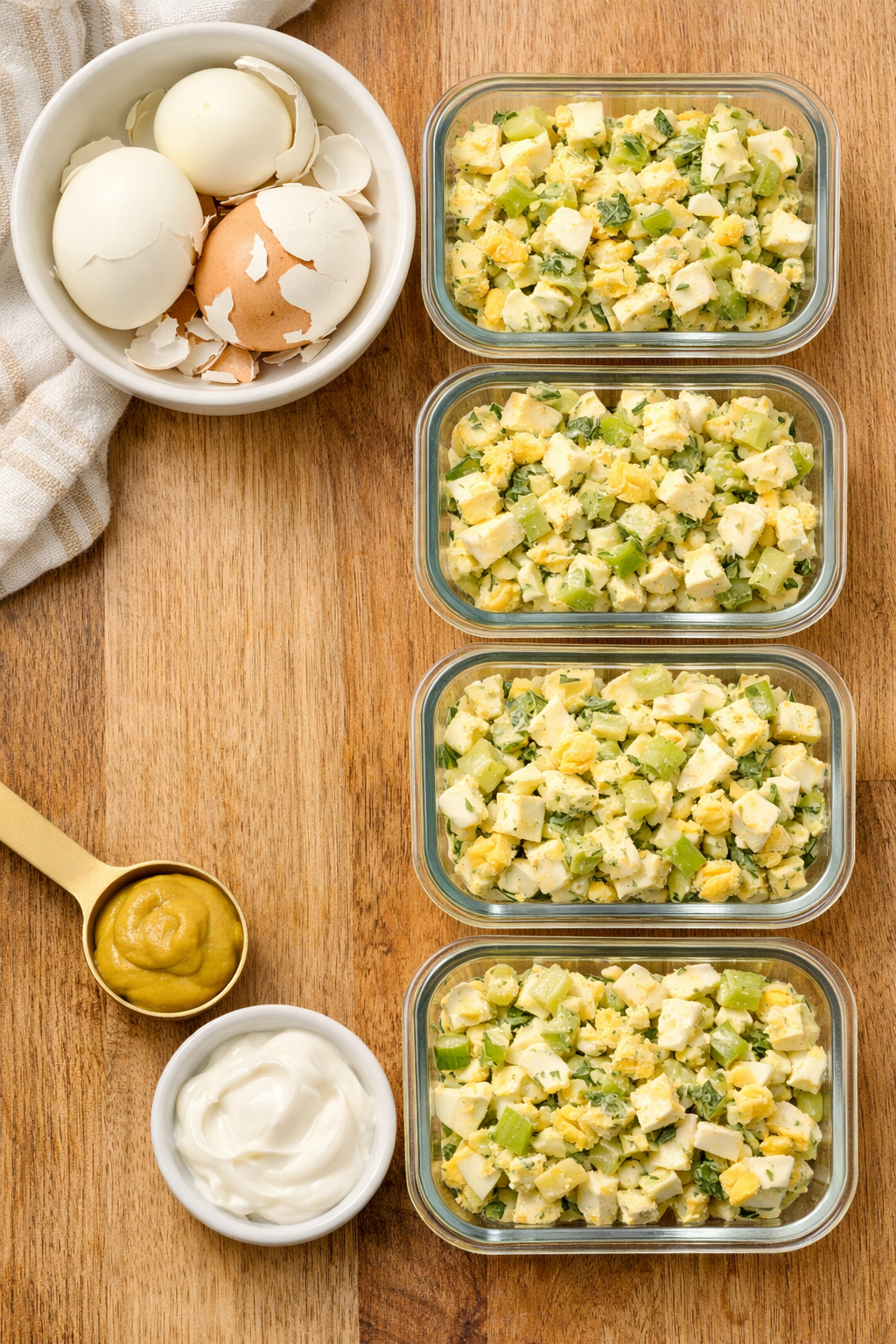
Peel and roughly chop the eggs. For a chunkier texture (which holds up better over time), use a fork or pastry cutter rather than a food processor. Fold in the drained vegetables and dressing gently. Don’t overmix.
Step 5: Store Like a Pro
- Use glass airtight containers — they don’t absorb odors and maintain temperature better than plastic.
- Press a piece of plastic wrap directly onto the surface of the salad before sealing the lid. This minimizes air exposure and prevents a dry crust from forming.
- Label containers with the date. Consume within 4–5 days.
Serving Ideas for the Week 🗓️
| Day | Serving Suggestion |
|---|---|
| Monday | Lettuce wraps with sliced avocado |
| Tuesday | On whole grain toast with arugula |
| Wednesday | Stuffed into a whole wheat pita |
| Thursday | Over a bed of mixed greens |
| Friday | With rice crackers and cucumber slices |
Pro Storage Tips That Make Meal Prep Magic: A High Protein Egg Salad That Doesn’t Get Soggy Last All Week
Even the best recipe falls apart without smart storage. These tips are the difference between a great lunch on Friday and a container that goes straight to the trash.
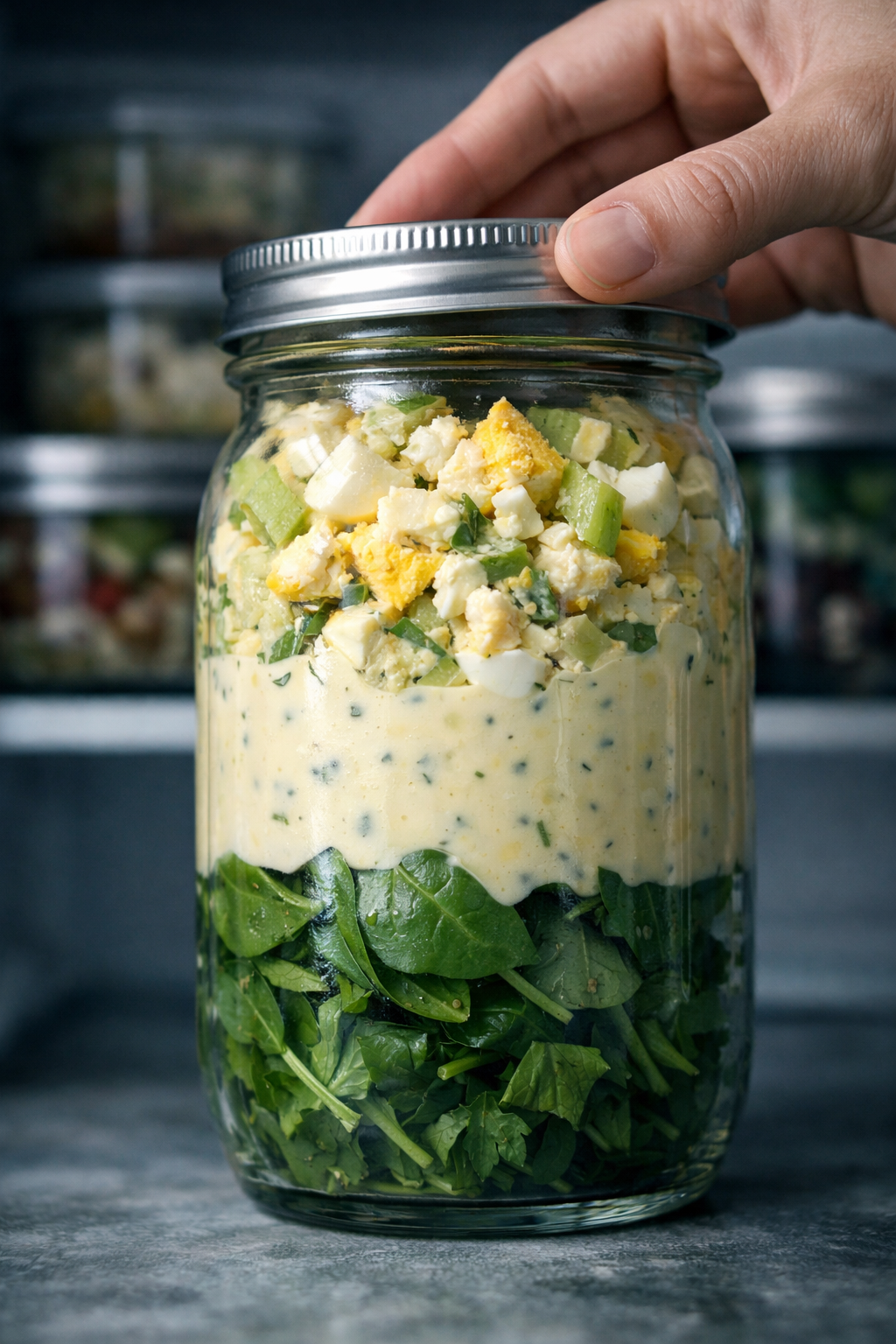
The Layering Method (For 5-Day Prep)
If prepping for a full work week, consider the layering method:
- Bottom layer: Any greens or crackers (kept separate in a small bag)
- Middle layer: The egg salad mixture
- Top layer: A paper towel folded flat — it absorbs any excess moisture that rises
When ready to eat, remove the paper towel, stir, and serve.
Temperature Matters
Keep egg salad stored at 40°F (4°C) or below at all times. The USDA recommends discarding egg-based salads left at room temperature for more than two hours. Always use a cooler bag or insulated lunch box when taking meals to work or the gym.
What to Avoid ❌
- Tomatoes and cucumbers — too watery; add fresh at serving time only
- Regular mayonnaise as the sole binder — separates quickly
- Plastic bags — don’t seal well and can cause faster spoilage
- Overmixing — breaks down egg texture, releasing more moisture
Protein Boost Add-Ins
Want to push the protein even higher? Try these mix-ins:
- 🧀 Cottage cheese (2 tbsp): adds 4g protein, ultra-creamy texture
- 🐟 Canned tuna (2 oz): adds 14g protein, creates a hybrid salad
- 🌱 Hemp seeds (1 tbsp): adds 3g protein, subtle nutty flavor
- 🫘 White beans (¼ cup, mashed): adds 5g protein, great for satiety
Conclusion: Make This Recipe Part of a Smarter Week
Meal Prep Magic: A High Protein Egg Salad That Doesn’t Get Soggy isn’t just a recipe — it’s a system. By understanding why egg salad gets soggy and addressing each cause directly, anyone can enjoy a protein-packed, satisfying lunch every single day of the week without starting from scratch each morning.
Actionable Next Steps ✅
- This weekend: Hard-boil a batch of 8 eggs and prep the dressing separately.
- Invest in 4–5 glass containers with airtight lids — they make a genuine difference.
- Try the layering method for the first time and notice the texture difference by day four.
- Experiment with one protein add-in each week to keep things interesting.
- Share the recipe with someone who always claims they “don’t have time” to eat healthy.
Meal prep doesn’t have to be complicated. With the right recipe and a little know-how, a week’s worth of high-protein, delicious lunches is just 20 minutes away. 🥚✨
References
- American Egg Board. (2023). Egg nutrition facts and health benefits. Retrieved from American Egg Board official resources.
- U.S. Department of Agriculture Food Safety and Inspection Service. (2024). Safe minimum internal temperatures and food storage guidelines. USDA FSIS.
- Berrazaga, I., Micard, V., Gueugneau, M., & Walrand, S. (2019). The role of the anabolic properties of plant- versus animal-based protein sources in supporting muscle mass maintenance. Nutrients, 11(8), 1825.
- Harvard T.H. Chan School of Public Health. (2023). The nutrition source: Eggs. Harvard University.