Tired of boring lunches that leave you hungry an hour later? 🥚 Here’s a surprising truth: one of the most powerful midday meals you can eat costs less than $2, takes under 15 minutes to make, and has been quietly endorsed by nutrition experts for decades. That’s exactly why this high protein egg salad is a dietitian-approved lunch — and once you understand the science behind it, you’ll never skip it again.
Key Takeaways
- 🥚 Eggs are a complete protein, providing all nine essential amino acids in one affordable package.
- 💪 A single serving of this egg salad can deliver 20–25 grams of protein, supporting muscle repair and satiety.
- 🥗 Swapping mayo for Greek yogurt dramatically cuts saturated fat while boosting protein even further.
- 🩺 Registered dietitians consistently recommend high-protein lunches to stabilize blood sugar and reduce afternoon cravings.
- ⏱️ This recipe is meal-prep friendly, staying fresh in the fridge for up to four days.
What Makes Egg Salad a Nutritional Powerhouse?
Eggs have earned their reputation as one of nature’s most complete foods. According to the Academy of Nutrition and Dietetics, eggs contain all nine essential amino acids, making them a “complete protein” — a quality shared by very few whole foods.
Here’s a quick look at what two large hard-boiled eggs bring to the table:
| Nutrient | Amount (2 large eggs) |
|---|---|
| Calories | ~155 |
| Protein | ~13g |
| Healthy Fats | ~10g |
| Vitamin D | ~12% DV |
| Choline | ~50% DV |
| Selenium | ~56% DV |
💬 “Eggs are one of the most nutrient-dense foods available. They provide high-quality protein alongside fat-soluble vitamins that many people are deficient in.” — Samantha Cassetty, MS, RD, nutrition and wellness expert
When you build an egg salad with four to six eggs, add Greek yogurt, and include fiber-rich mix-ins like celery and avocado, you’re looking at a lunch that easily hits 20–25 grams of protein per serving.
Why Protein at Lunch Matters So Much
Research published in the Journal of Nutrition confirms that spreading protein intake evenly across three meals — rather than loading it all at dinner — leads to better muscle protein synthesis throughout the day. Most people eat far too little protein at breakfast and lunch, then overcompensate at dinner.
The Recommended Dietary Allowance (RDA) for protein sits at 0.8 grams per kilogram of body weight, but many registered dietitians now advocate for 1.2–1.6 g/kg for active adults and older populations to preserve muscle mass. A protein-forward lunch is a simple, practical way to hit those targets.
Benefits of a high-protein lunch include:
- ✅ Reduced afternoon hunger and snack cravings
- ✅ Steadier blood sugar levels
- ✅ Better focus and energy in the afternoon
- ✅ Support for lean muscle maintenance
Why This High Protein Egg Salad is a Dietitian-Approved Lunch: The Recipe
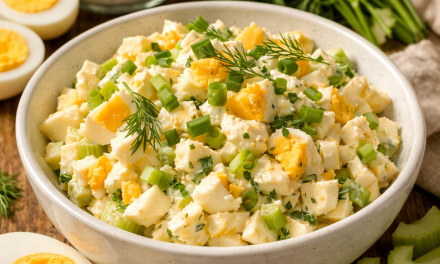
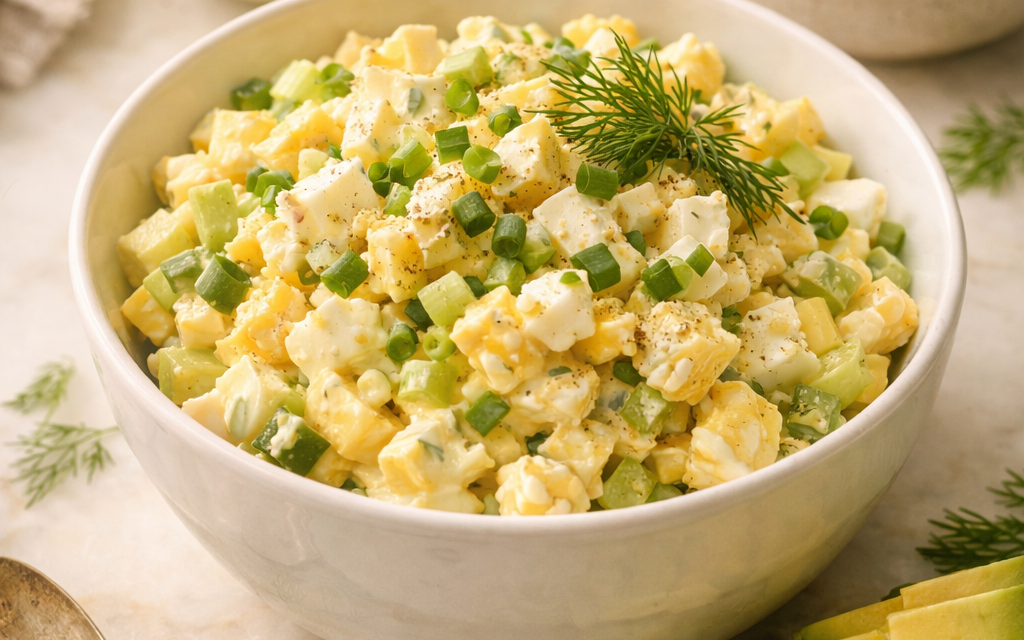
This isn’t your grandmother’s mayo-heavy egg salad. This version is lighter, creamier, and packs a serious protein punch — all while tasting absolutely delicious. 😋
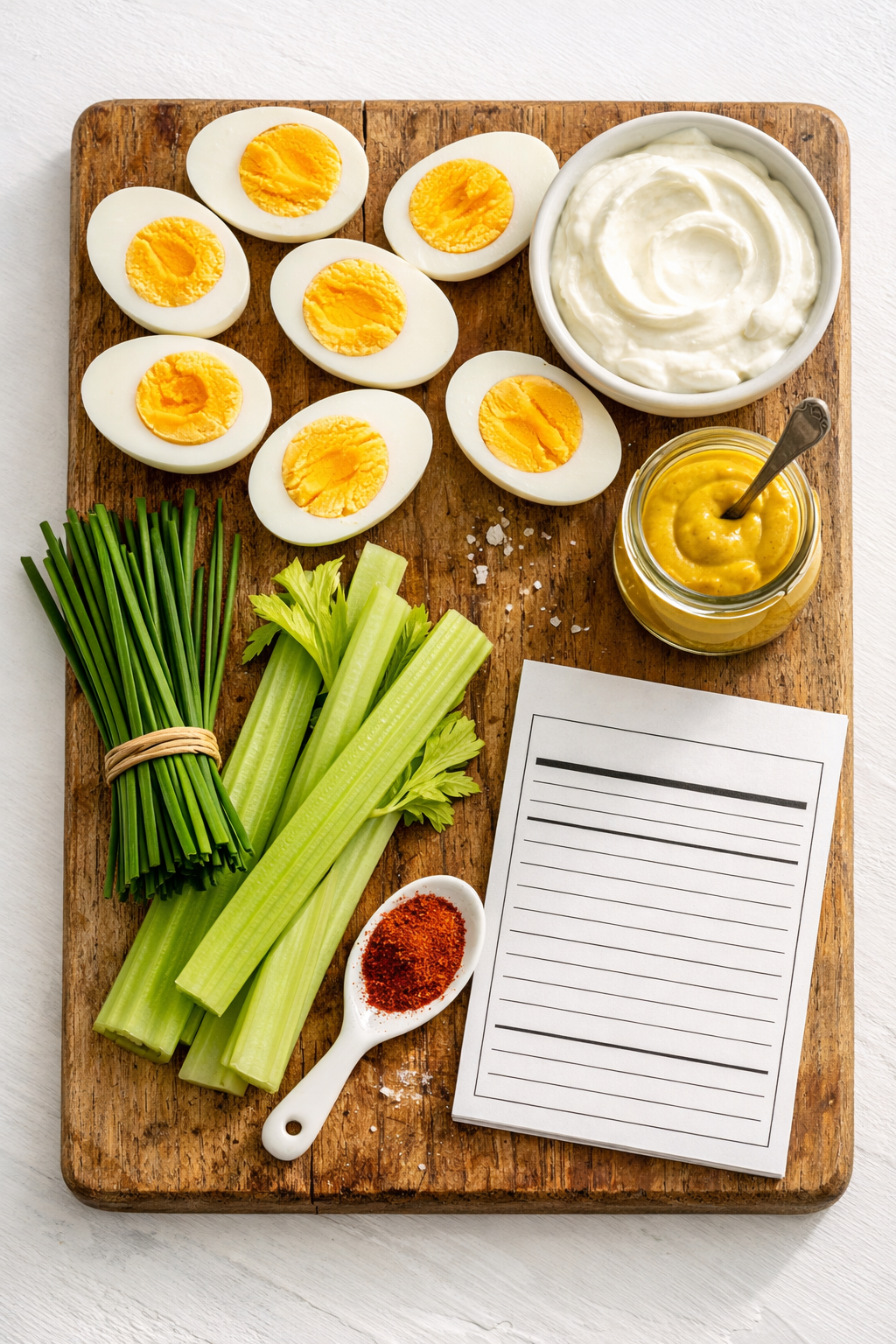
Ingredients (Serves 2)
| Ingredient | Amount | Why It’s Here |
|---|---|---|
| Large eggs, hard-boiled | 6 | Primary protein source |
| Plain Greek yogurt (2%) | 3 tbsp | Replaces mayo, adds protein + probiotics |
| Dijon mustard | 1 tsp | Flavor + antioxidants |
| Celery, finely diced | 2 stalks | Crunch + fiber |
| Fresh chives or dill | 2 tbsp | Flavor + micronutrients |
| Avocado (optional) | ¼ | Healthy fats + creaminess |
| Paprika | ½ tsp | Flavor + anti-inflammatory compounds |
| Salt & black pepper | To taste | Seasoning |
| Lemon juice | 1 tsp | Brightness + vitamin C |
Step-by-Step Instructions
Step 1: Hard-Boil the Eggs Perfectly
Place eggs in a single layer in a saucepan. Cover with cold water by one inch. Bring to a boil over medium-high heat, then immediately remove from heat, cover, and let sit for 10–12 minutes. Transfer to an ice bath for 5 minutes, then peel.
💡 Pro tip: Older eggs peel more easily than fresh ones. If you’re meal prepping, buy eggs a few days ahead.
Step 2: Prep Your Mix-Ins
While eggs cool, finely dice the celery and chop the chives or dill. If using avocado, dice into small cubes.
Step 3: Make the Dressing
In a large bowl, whisk together the Greek yogurt, Dijon mustard, lemon juice, paprika, salt, and pepper. This simple swap — yogurt instead of mayonnaise — is one of the key reasons why this high protein egg salad is a dietitian-approved lunch. Greek yogurt adds roughly 8–10 extra grams of protein per serving compared to traditional mayo.
Step 4: Combine Everything
Roughly chop or slice the peeled eggs. Add them to the bowl with the dressing, along with celery, herbs, and avocado (if using). Fold gently — don’t over-mix. You want some texture, not a paste.
Step 5: Taste and Adjust
Give it a taste. Add more lemon for brightness, mustard for tang, or a pinch of paprika for warmth. Serve immediately or refrigerate.
How to Serve This Dietitian-Approved Egg Salad
One of the best things about this recipe is its versatility. Here are some crowd-pleasing serving ideas:
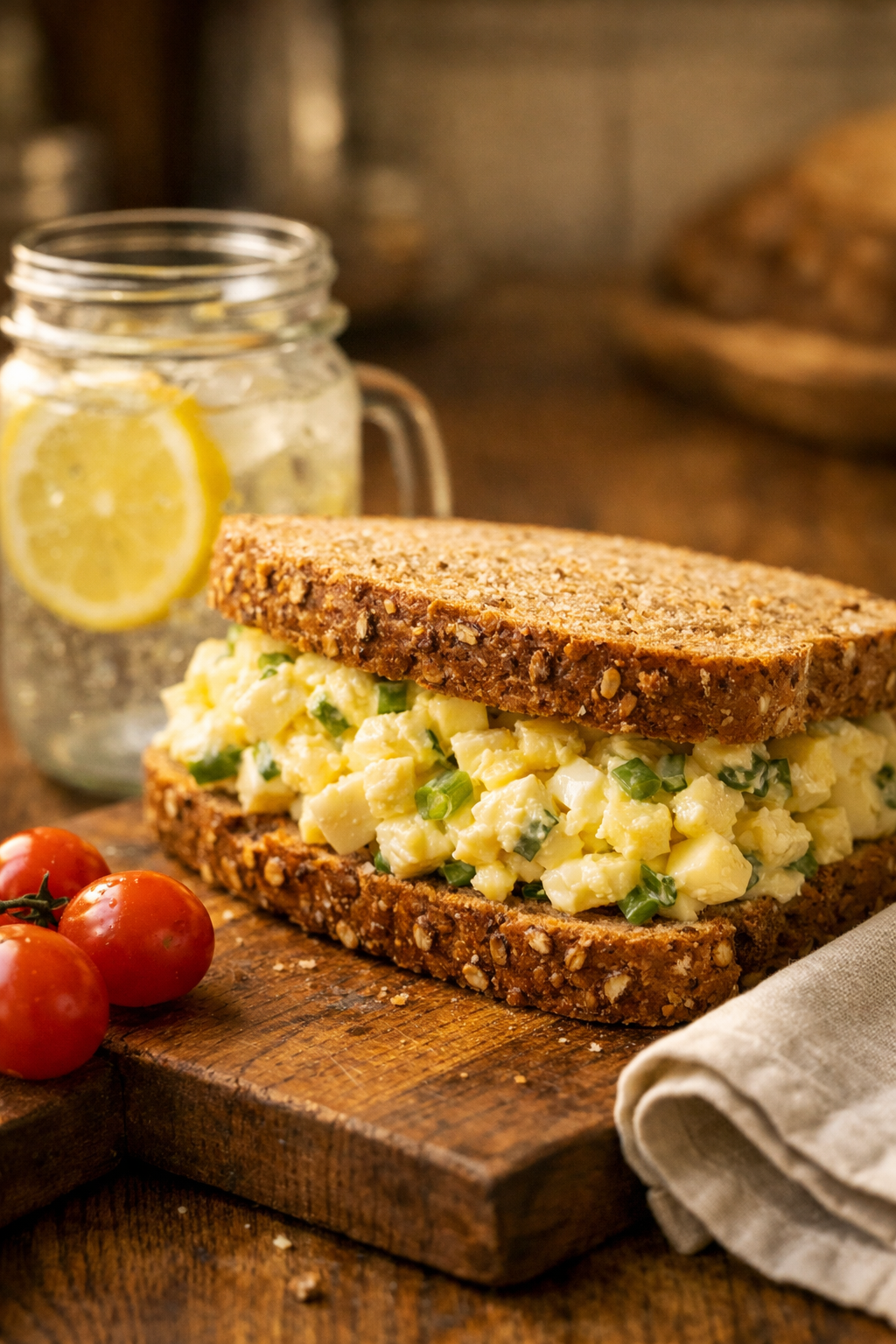
- 🥪 Classic sandwich on whole grain bread (adds fiber and complex carbs)
- 🥬 Lettuce wraps for a low-carb option
- 🍚 Over a grain bowl with quinoa and roasted veggies
- 🥒 Stuffed in cucumber boats for a light, refreshing snack
- 🫙 Straight from the jar as a quick, no-fuss meal prep lunch
Nutrition Estimate Per Serving (½ recipe, no bread)
| Nutrient | Approximate Amount |
|---|---|
| Calories | ~280 |
| Protein | ~22g |
| Carbohydrates | ~5g |
| Fat | ~18g (mostly unsaturated) |
| Fiber | ~2g |
Expert Tips to Maximize the Protein Content
Want to push the protein even higher? Registered dietitian Keri Gans, MS, RDN, author of The Small Change Diet, recommends building meals around a “protein anchor” — one central ingredient that carries the majority of the meal’s protein. Eggs are a perfect anchor.
Here are smart ways to boost this recipe further:
- Add cottage cheese (2 tbsp) into the dressing for an extra 5g of protein with minimal flavor change
- Use egg whites for 2 of the 6 eggs to lower fat while keeping protein high
- Serve on high-protein bread (some brands offer 6g+ protein per slice)
- Mix in canned white beans (¼ cup) for plant-based protein and fiber
Storage, Meal Prep & Food Safety
This egg salad stores beautifully, making it ideal for busy weeks. Here’s what to keep in mind:
- 🧊 Refrigerate in an airtight container for up to 4 days
- ❄️ Do not freeze — the texture of eggs and yogurt breaks down when thawed
- 🌡️ Keep below 40°F (4°C) at all times; don’t leave out for more than 2 hours
- 🥄 Stir before serving as the dressing may separate slightly
⚠️ Food safety note: The USDA recommends consuming refrigerated egg dishes within 3–4 days to prevent foodborne illness.
Conclusion: Make This Your Go-To Lunch in 2026
Understanding why this high protein egg salad is a dietitian-approved lunch comes down to three things: nutrient density, protein quality, and simplicity. Eggs deliver complete protein and essential micronutrients. Greek yogurt replaces heavy mayo with a probiotic-rich, protein-boosting alternative. And the whole recipe comes together in under 15 minutes.
Here are your actionable next steps:
- 🛒 Grab a dozen eggs on your next grocery run — they’re one of the most affordable protein sources available.
- 🥣 Batch cook on Sunday — make a double batch and portion into containers for the week.
- 🔄 Experiment with add-ins like white beans, cottage cheese, or roasted red peppers to keep it exciting.
- 📲 Share the recipe with a friend who’s trying to eat more protein without spending a fortune.
Eating well doesn’t have to be complicated or expensive. This egg salad proves that the best lunches are often the simplest ones — backed by solid nutrition science and approved by the experts who know it best. 🥚💚
References
- Academy of Nutrition and Dietetics. (2023). Complete Proteins and Amino Acids. eatright.org
- Arentson-Lantz, E., et al. (2015). Protein: A nutrient in focus. Applied Physiology, Nutrition, and Metabolism, 40(8), 755–761.
- Cassetty, S. (2024). Egg nutrition and meal planning. samanthacassetty.com
- Gans, K. (2011). The Small Change Diet. Gallery Books.
- Morton, R. W., et al. (2018). A systematic review, meta-analysis and meta-regression of the effect of protein supplementation on resistance training-induced gains in muscle mass and strength. British Journal of Sports Medicine, 52(6), 376–384.
- U.S. Department of Agriculture. (2024). Food Safety: Eggs and Egg Products. foodsafety.gov
- Witard, O. C., et al. (2016). Protein considerations for optimising skeletal muscle mass in healthy young and older adults. Nutrients, 8(4), 181.